
Our Methodology
We turn wicked problems into bold solutions – at speed – by combining human-centered design, business model innovation, visual thinking, and sprinting techniques, we create actionable strategies people can believe in to drive change that sticks.
Turning complexity into clarity
and ideas into action
Human Centered
Grounding ambitions in the needs, insights, and lived experiences of the people who will bring it to life.
Business Model Innovation
Challenge the status quo and unlocking new ways to create, deliver and capture value.
Visual Thinking
Simplifying complexity for teams to act and make decisions with confidence
We help large organizations tackle their toughest challenges by blending human-centered design, business model innovation, visual thinking, and rapid sprinting techniques. Our approach puts people at the heart of every decision, translating complex problems into clear, actionable solutions. We work fast, think visually, and experiment boldly—turning uncertainty into momentum. By uniting creativity with commercial rigor, we help our clients imagine new possibilities, test them in real-world conditions, and scale the ones that truly work. The result is not just strategy on paper, but meaningful change and innovation that sticks.
Adam Kohlrus
Partner, Do Tank
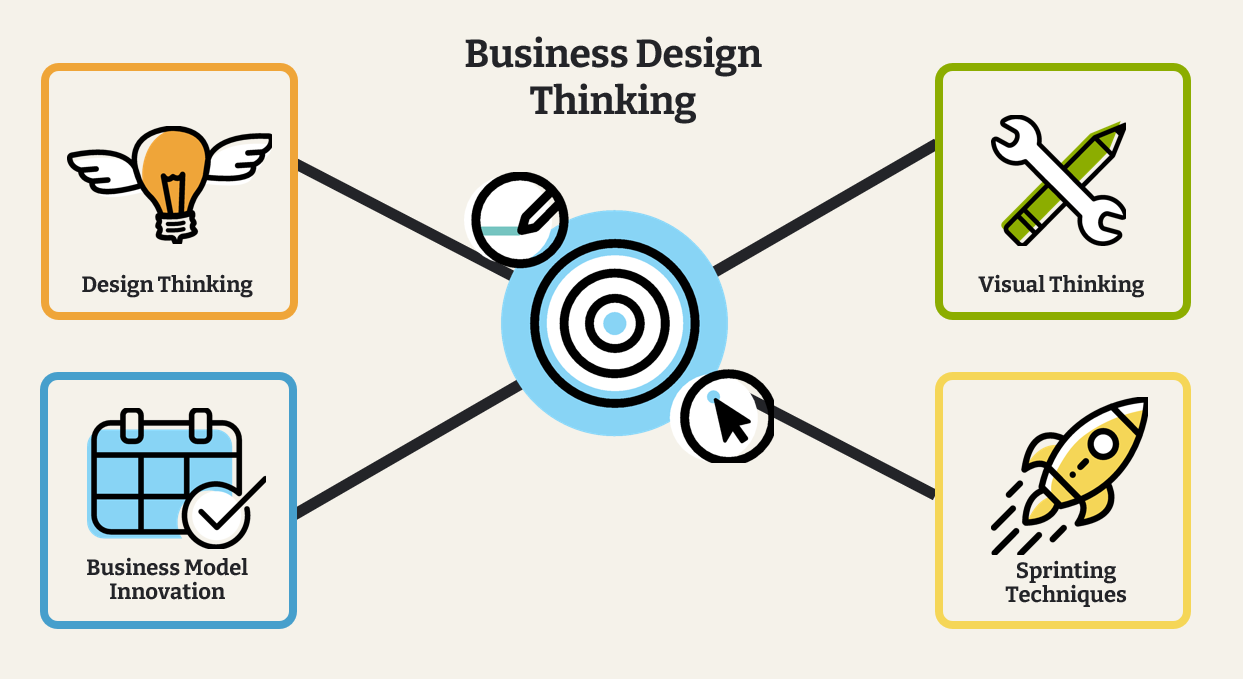
Business Design Thinking
Our techniques are suitably flexible and nimble in order to be fit for purpose. It’s never one size fits all. We do however believe that we have developed a world class practice by blending the powers of Design Thinking, Visual Thinking, Business Model Innovation and Sprinting techniques. This enables us to deploy our superpowers across strategy, change and innovation projects at varying levels of scale in any industry.
Human in the Loop
Human-centered design (HCD) ensures that high-impact projects deliver solutions that are not only effective but also meaningful and sustainable for the people they serve. By deeply understanding human needs, behaviors, and contexts, HCD helps teams uncover real problems and co-create solutions that are more likely to be adopted and create lasting change. This approach reduces wasted resources on misaligned initiatives, fosters innovation grounded in empathy, and builds trust with stakeholders—ultimately increasing both the impact and scalability of the project.

User-Centered Innovation
Empathy-driven, improved relevance

Encourages Creativity and Innovation
Promotes out-of-the-box thinking

Customer Loyalty and Engagement
Increases user satisfaction

Reduces Risk of Failure
Fast feedback and iteration

Faster Problem Solving
Rapid experimentation and learning

Cross-Function Collaboration
Brings together diverse teams
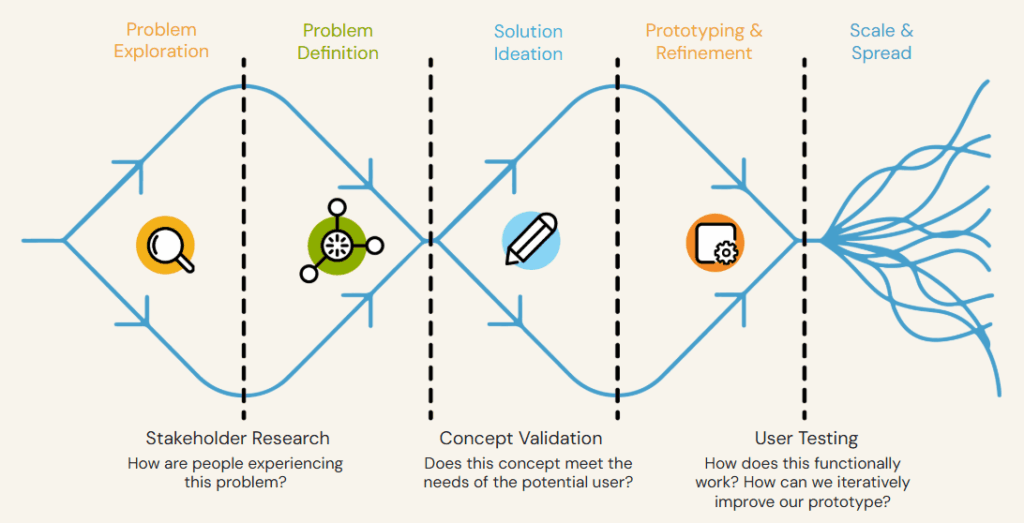
What is Design Thinking?
It is a human-centered, iterative problem-solving approach that emphasizes empathy, creativity, and experimentation to develop innovative solutions.
The Qualified Impact
Projects applying design thinking often produce more creative and user-relevant outcomes. Early prototyping and testing minimize costly missteps later in development. Human-centered design ensures solutions are aligned with real needs and behaviors, which should lead to measurable increases in customer satisfaction, loyalty, and engagement.
Sources: McKinsey & Company. The Business Value of Design. McKinsey & Company, 2018,
https://www.mckinsey.com/capabilities/mckinsey-design/our-insights/the-business-value-of-design; IBM and Forrester. The Total Economic Impact™ of IBM’s Design Thinking Practice. IBM,
2018;Capgemini. The Innovation Game: Why and How Businesses Are Investing in Innovation Centers. Capgemini Digital Transformation Institute, 2020; IBM. Enterprise Design Thinking
Impact Report. IBM Design, 2016; Rotman School of Management. Design Thinking in Leadership and Strategy. University of Toronto, n.d.

+32 Revenue Growth, +56% Shareholder Returns

Up to +75% Faster Time-to-Market. +85% Higher ROI

2.6x More likely to have a defined innovation strategy

+75% Increase in team alignment
Why It Works
- Empathy-driven insights: better fit with user needs
- Rapid prototyping: agile, testable solutions
- Cross-functional input: broader buy-in and creativity
- Iterative Process: resilient and adaptive plans