


The Challenge
A large multi-national pharmaceutical company’s external affairs department, with a large roster of internal partners, knew that the process for building its strategic plan was going to be as important as the quality of the content. We needed to include the partners (business units, therapeutic areas, new product teams, public affairs) in the process if they were to feel invested in the outcome; key elements that we wanted to co-design included:
- Disease state education
- Providing insights around healthcare providers, patient advocacy, payer, and quality organizations
- Working across business units to support launch readiness
- Supporting health equity and community engagement
- Assessing sponsorship opportunities to highlight leadership in Biopharma
Along with building a plan for how External Affairs can most effectively support teams, it was important to distinguish what they DON’T do. There was a pain point of being brought into work that is outside the remit of the team (i.e. develop medical unit plans, decide which sponsorships and grants therapeutic areas should support).
What We Did
We decided to treat the strategic plan like a new product or service – understand, design, test, and refine.
Understand:
Along with 1-to-1 leader interviews, a series of interactive focus groups were facilitated that helped us better understand the needs of medical, product, and business partners.
Design:
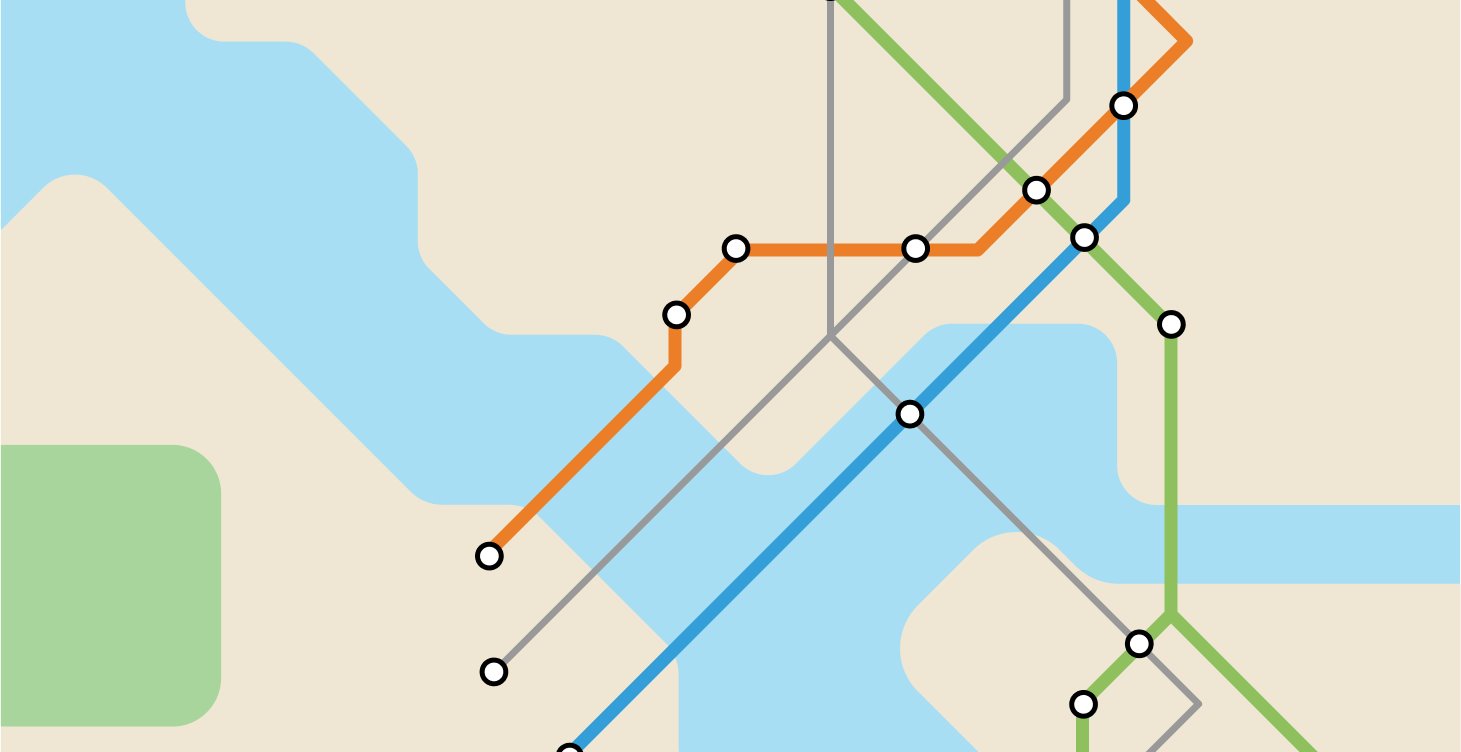
After weeks of working on the most important part – vision, goals, key metrics, etc. – we built the strategic story in a few different modalities (document, video, infographic). Given their team’s identity around making connections and helping others reach their goals, we experimented with public transportation imagery to tell the story.
Test:
The testing phase invited partners to validate assumptions, express their interest in strategic options, and truly understand the role of External Affairs. We embarked on a one month ‘sprint’ to test the story, while simultaneously working closely with Regulatory Affairs to ensure compliance.
Refine:
The reality is that pharma has different audiences, and we built a few versions of the plan: minimalist & technical and illustrative & narrative. In both cases, the incorporation of feedback and direct inputs from partner teams were explicitly built into the work; the process involved the partners at each step and it was important that they could see themselves reflected in the final product.
The Results
By designing and testing the story with others, we gave them a chance to ‘try it on and walk around in it’. The need to make a plan evolved into something more interactive and partner facing. The final title was: “The Strategy and Collaboration Guide for External Affairs: how we can help you make valuable connections, nurture partnerships, and amplify your thought leadership”.
We now have a playbook that helps all business units, therapeutic areas, new product teams and public affairs leverage the team in pursuit of its own strategic goals. The strategy design remit became equally as much a ‘culture change’ journey – it was about fundamentally changing the ways that different teams within this huge pharmaceutical organization work together.